When Shopify apps aren't enough, build what fits.
Your Shopify store works, but the systems behind it don't always work together. We build custom integrations, private-use apps, and reliable automations for established merchants dealing with complex pricing, disconnected data, and workflows that off-the-shelf tools can't handle.
The problems that don't fit neatly into an app.
Catalogs, pricing & product operations
Product data and pricing become harder to manage when different customers, catalogs, promotions, and external systems need different rules. We build custom workflows for catalog management, scheduled price changes, wholesale pricing, product tagging, and operational updates — automating repetitive changes, coordinating pricing across systems, or introducing safeguards around changes that affect multiple products. The goal isn't to replace every existing app. It's to make sure your pricing and catalog workflows behave consistently with how your business operates.
Custom Shopify apps
Sometimes the functionality your business needs doesn't exist in the Shopify App Store. Other times, an available app solves most of the problem but cannot accommodate a critical requirement. We develop custom Shopify apps and backend services around specific operational needs — Admin API integrations, internal tools, business-specific workflows, and connections between Shopify and other systems. We start by understanding the requirement and checking whether existing solutions can meet it before recommending custom development.
ERP, API & product feed integrations
When Shopify depends on another system for inventory, pricing, product information, or fulfillment, disconnected data can create operational problems. We develop integrations between Shopify and external APIs, ERP systems, and product feeds, with attention to how data is mapped, updated, and handled when something goes wrong. We assess API capabilities, data ownership, update frequency, and failure scenarios before deciding whether a direct integration, middleware, or custom synchronization service makes sense.
Automation that holds up
A simple automation can be useful until the workflow grows more complicated. We build backend automations designed around the actual workflow, including scheduled jobs, conditional processing, and operational visibility where needed. The objective is to reduce repetitive manual work without creating an opaque system that nobody understands — including what happens when an automation fails, data changes unexpectedly, or a merchant needs to intervene.
Understand the problem. Engineer the right solution.
Scoped project first
We begin with a specific problem, not a long-term contract. The first engagement defines the systems involved, the desired outcome, the technical constraints, and the work required. If the problem can be addressed through configuration or an existing tool, we'll consider that before proposing custom software.
Evidence over vanity metrics
We care about whether the solution works in the real workflow. That means checking the behavior of integrations, validating business rules, and establishing practical acceptance criteria. We don't promise arbitrary revenue improvements or performance percentages that cannot be attributed to the engineering work.
Clear boundaries, dependable handoff
Eryn Tech operates as a focused independent consultancy alongside other professional commitments. We accept projects selectively, define communication and availability expectations upfront, and agree on the scope of ongoing support before work begins. We won't imply that a project includes round-the-clock monitoring or unlimited maintenance when it doesn't.
Systems we have already shipped.
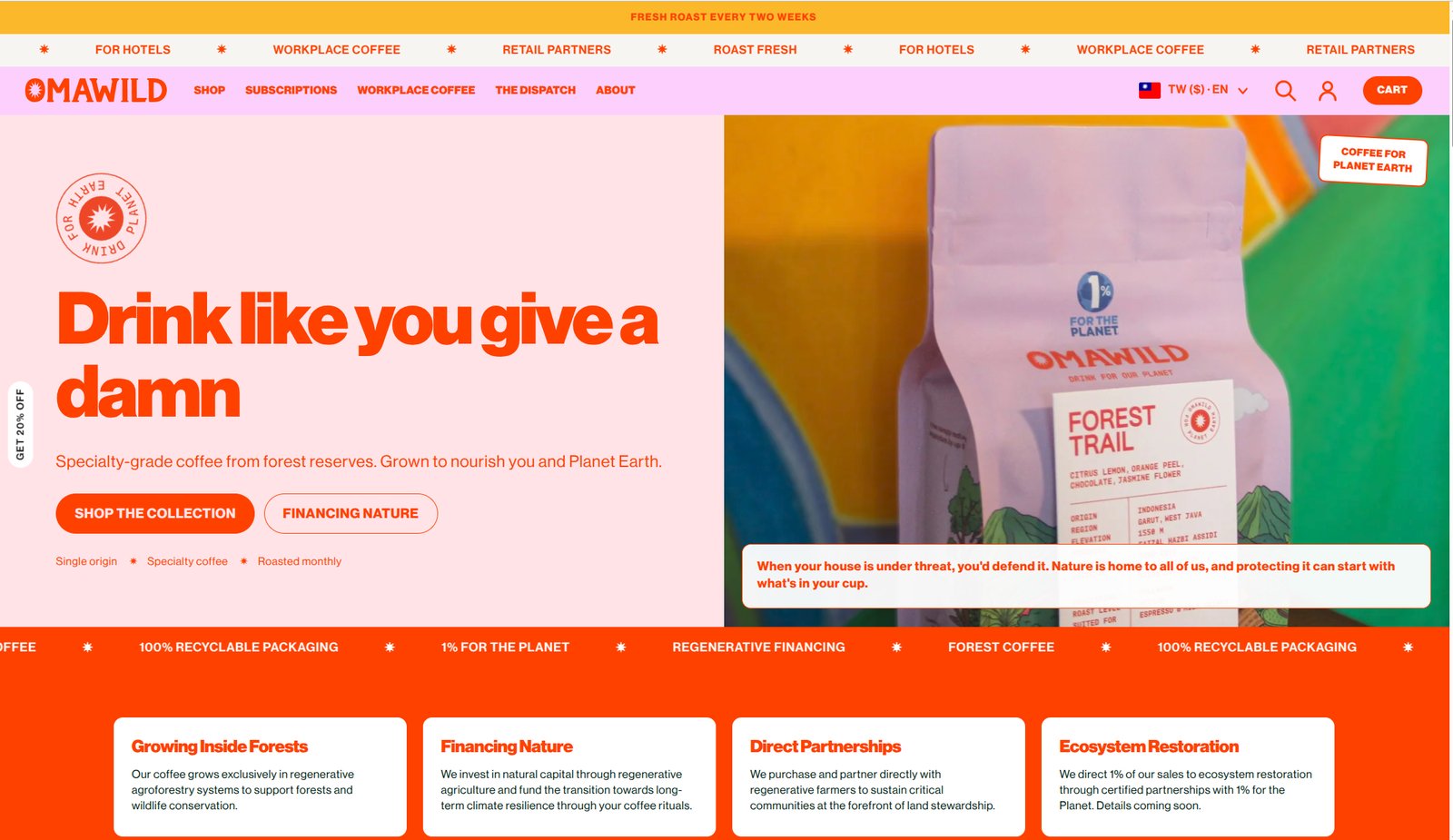
Omawild
Shopify theme engineering, subscription checkout integration, and modular content sections built around everyday store operations.
Shopify storefront and operations engineering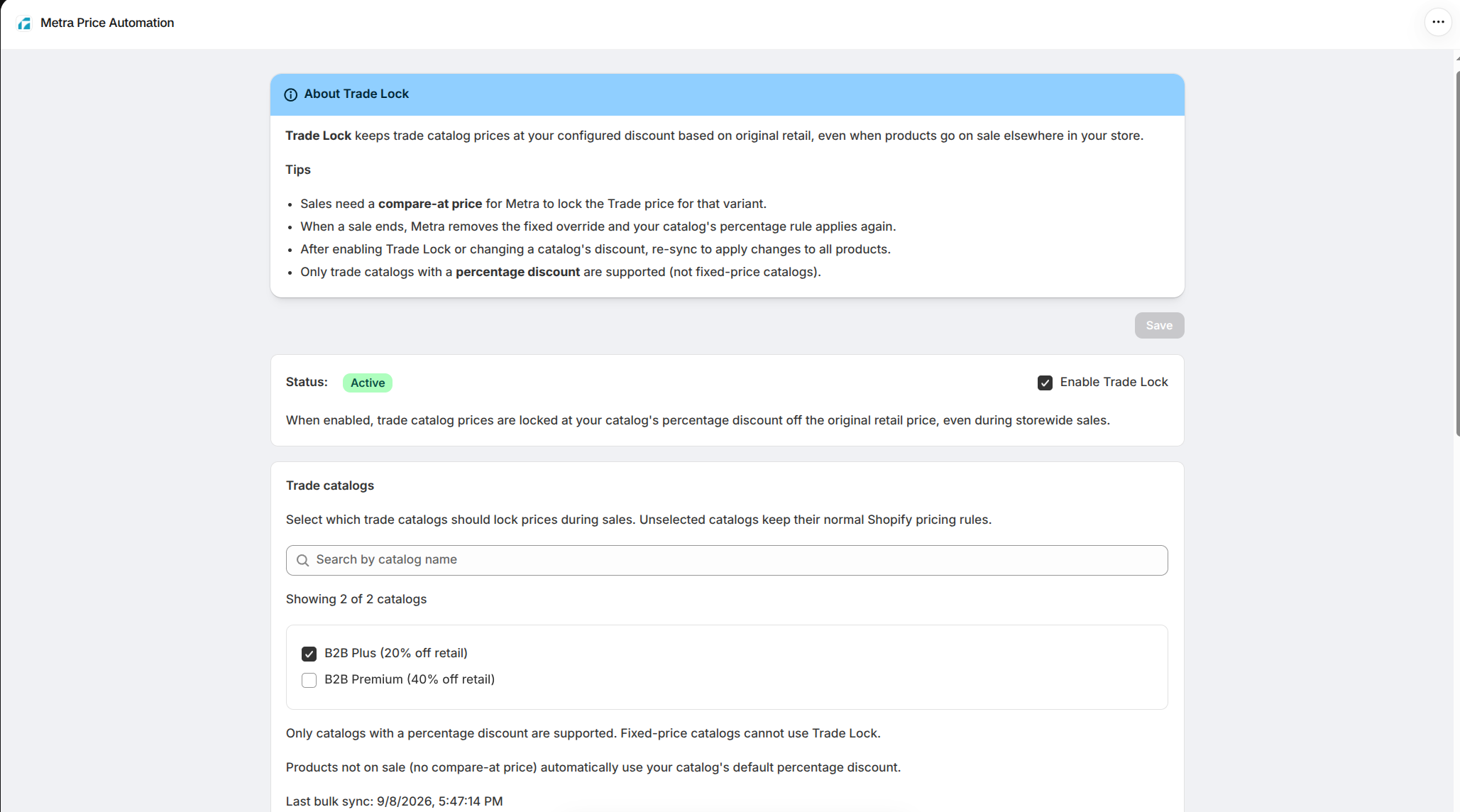
Metra Price Automation
A Shopify app that prevents retail promotions from stacking on wholesale catalog discounts using Trade Lock.
How we built Metra Price Automation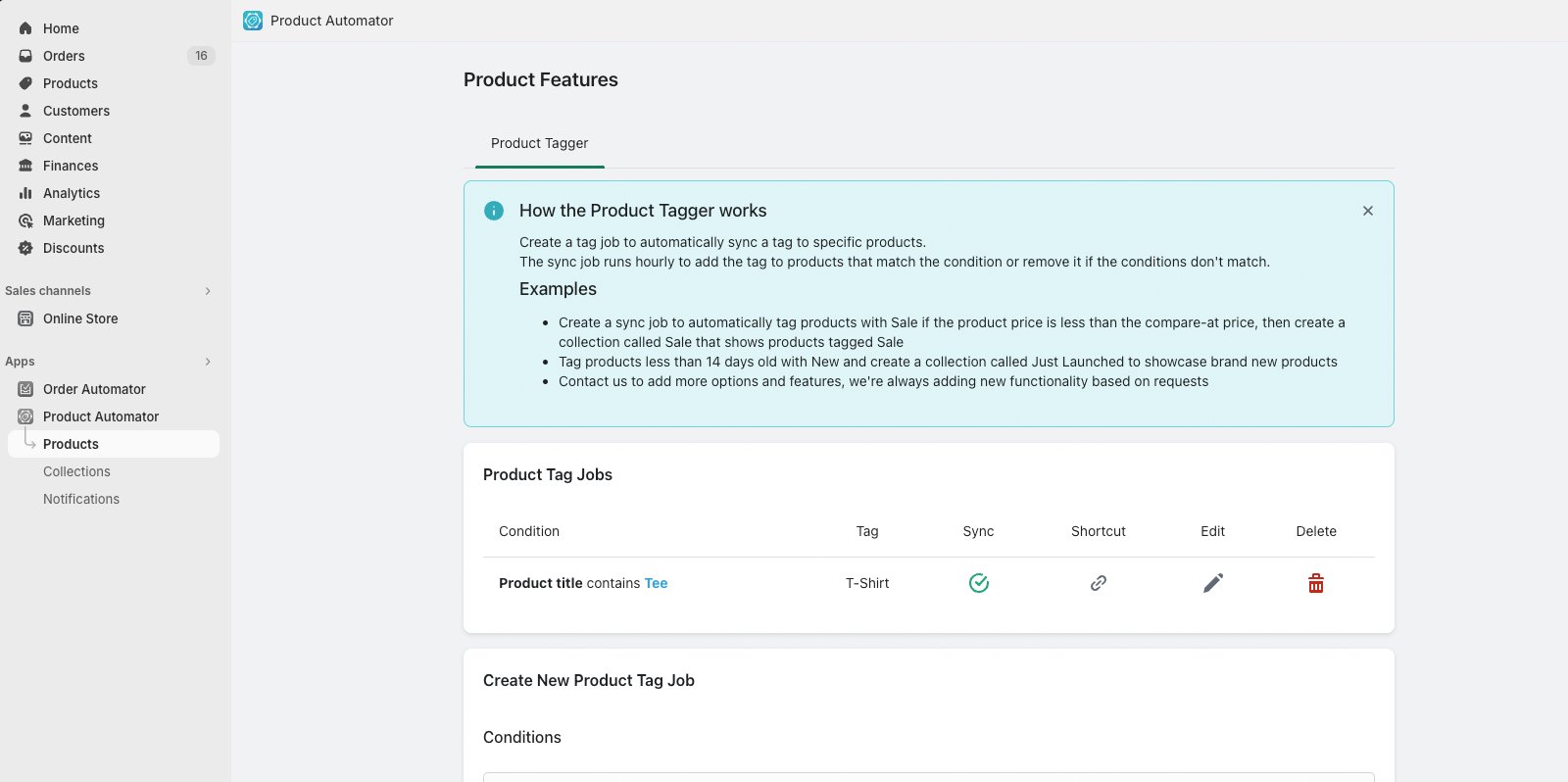
Product Automator
A Shopify app for collection sorting, product tags, and catalog reporting.
Catalog automation for Shopify storesFrom technical problem to working solution.
You don't need a complete technical specification to get started. Tell us what's happening, what you've tried, and what the system needs to do differently. We'll work from there.
-
Describe the problem
Explain the workflow, the systems involved, and what's currently failing or taking too much manual effort. We'll determine whether the request fits Eryn Tech's services and availability.
-
Assess the existing setup
We review the relevant architecture, integrations, business rules, and technical constraints. The objective is to identify a practical solution before committing to implementation.
-
Scope and implement
We agree on deliverables, responsibilities, acceptance criteria, and project boundaries. Engineering work then proceeds against that defined scope, with validation of the agreed functionality.
-
Handoff and next steps
We review the completed solution, document relevant operational considerations, and agree on any remaining work. Where appropriate, we can discuss a separate ongoing maintenance or improvement arrangement.
Ongoing maintenance, monitoring, response times, and production support are agreed separately. They are not automatically included in a scoped development project.


Tell us what you’re trying to ship.
A short brief is fine. We reply within one business day with a real answer, not a calendar link.